My Go-To Sites for Fair Trade Shopping

I began my transition to ethical shopping habits in 2009. Since then, I’ve found myself returning over and over again to the same few websites for the majority of my fair trade purchases. These are the sites I’ve found that strike the right balance for me of ethics, price, and style. I want to share them with you in the hopes that they’ll be as helpful to you as they have been to me!

Fair Indigo

Fair Indigo is my first stop for work-appropriate clothing. They’re a small company that works closely with carefully-chosen suppliers to ensure fair pay and working conditions and sustainable environmental practices. (Read more about their values.) Their styles are classic and cute but not super-trendy, which means I’ll be able to wear the items I buy from them for a long time. I’m especially fond of their organic cotton dresses (I own four of them). Their regular prices are a little out of my budget, but they have frequent sales that make shopping there more affordable.
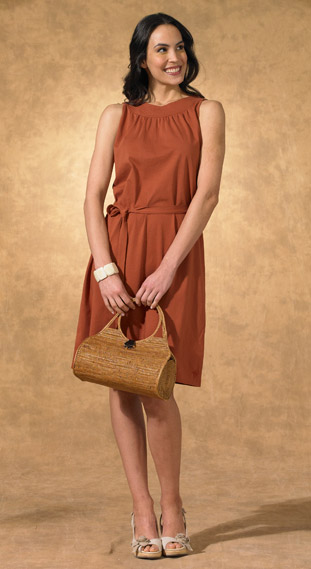
Fair indigo Organic Cotton Dress

Fair Indigo Organic Circle Neck Dress

SERRV

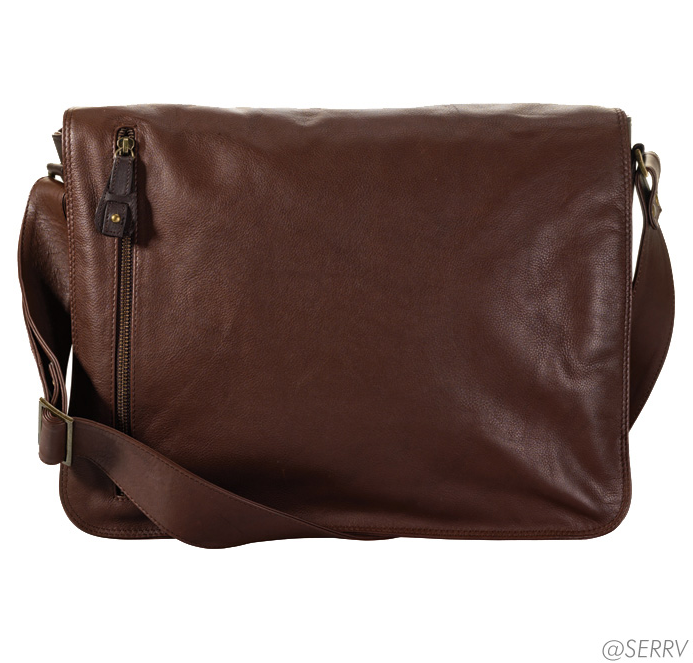
SERRV is my first stop for gifts. I’ve gotten several Christmas and birthday gifts for relatives from SERRV over the years, and they have something for almost everyone, including a helpful Gifts for Him collection. Prices vary greatly by item, so it’s easy to find something to fit your budget. (In addition to gift shopping, I also visit every so often to look at this blue leather purse in hopes that it has gone on sale… alas, it hasn’t yet.) SERRV is a non-profit organization and has major ethical cred as a founding member of both the World Fair Trade Organization and the Fair Trade Federation.
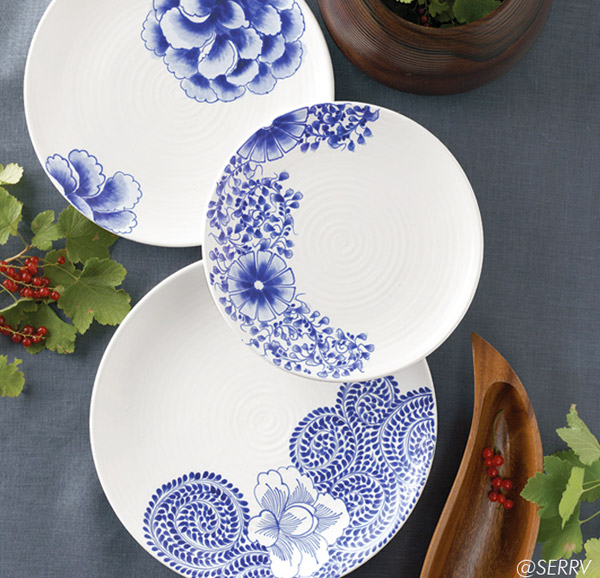
SERRV Cobalt Flower Plates

SERRV Cobalt Flower Plates

Made in USA Forever

I haven’t written very much about Made in USA shopping, but it is an option I use when I’m having trouble finding a fair trade version of an item. Made in USA Forever is a small company that chooses its suppliers carefully, so you can be confident they are truly American manufacturers, as opposed to poorly regulated factories in one of the many American territories (which can still use the Made in USA label). I’ve gotten jeans and socks here, and they offer much more.
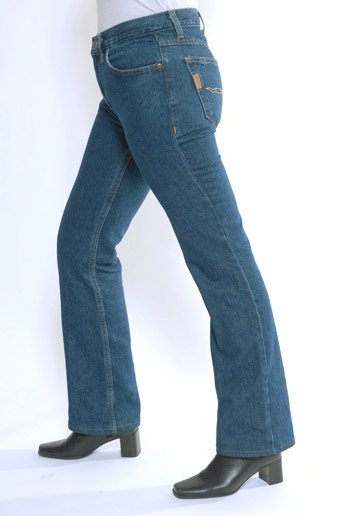
Made in USA Forever Texas Jeans

Made in USA Forever Texas Jeans

American Apparel

I have a love-hate relationship with American Apparel. Their manufacturing ethics are second-to-none, but my feminist self has a hard time with their retail staff strategy and their photography style, which often seems to be more about objectifying the model than showcasing the product. Despite my reservations, I visit their site a lot when I’m in need of something basic. I haven’t bought a ton from them, but it makes me feel good to know that products like ethically-made work pants are out there. Plus, they’ve started making shoes!
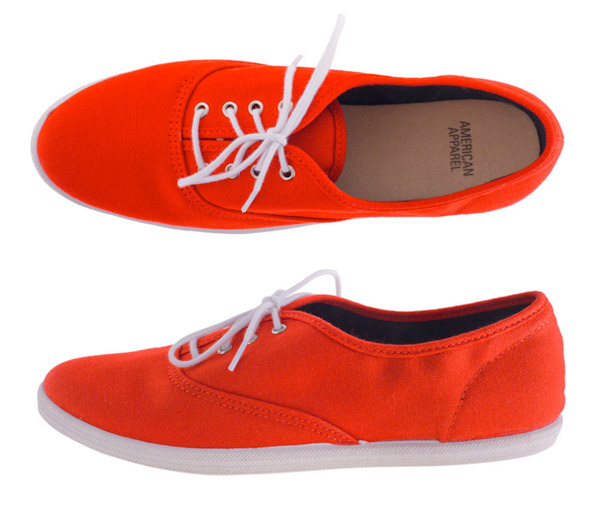
American Apparel Unisex Tennis Shoe

American Apparel Unisex Tennis Shoe

What are your favorite ethical and fair trade shopping websites? Share them in the comments!
Resource Spotlight: MeasureUp

MeasureUp logoMeasureUp.org.uk is a resource that evaluates brands based on their performance on ten ethical indicators, with the goal of helping consumers more easily compare brands and make sweatshop-free shopping decisions. Though the site is UK-based, many international brands have been evaluated, such as Nike, Gap, H&M, Adidas, and Zara. The information provided for each company is incredibly thorough, including excerpts from the brands’ websites and responses to emailed questions about their practices.

Some of MeasureUp’s ethical indicators include:

  • Does the company have a code of conduct that adheres to International Labor Organization standards, including payment of a living wage?
  • Is a full list of factory locations available to the public?
  • Are factories audited at least every two years?
  • Do audits include confidential interviews with employees chosen by the auditor rather than the employer?
  • Is a confidential complaint process in place to allow employees to raise concerns?

I highly recommend this resource a tool to better understand the practices of major brands. It’s especially enlightening to read some of the responses they received from companies as a primer on the ways brands often evade questions of ethics.

What are your favorite resources for finding sweatshop-free clothing? Share them in the comments!

News Roundup: July 2013

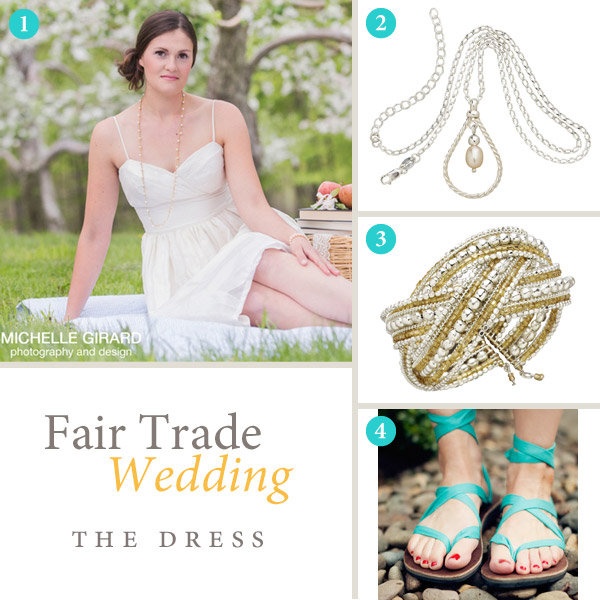
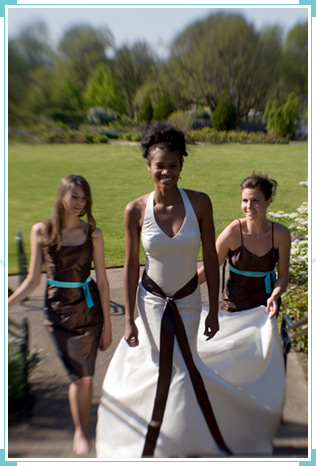
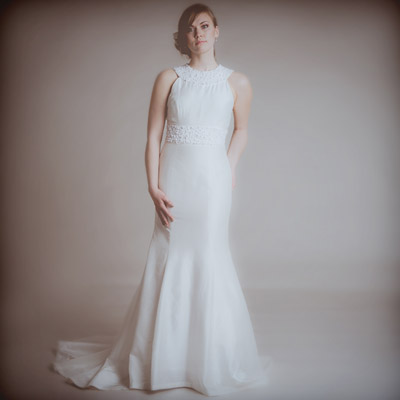
Scarf, wedding dress, swimsuit from July roundupIt’s hard to believe July is almost over! Here are some news stories and updates related to ethical shopping that I came across this month:

A Look at Fair Trade in the Wake of Bangladesh – An essay from Fair Trade USA about the impact of the Bangladesh building collapse. (Triple Pundit)

In Theory: What’s our responsibility toward sweatshops? – People from various religious traditions reflect on how we should respond to labor rights abuses. (Burbank Leader)

Will Sustainable Fashion Ever Be In Style? – Looking at fast fashion from a European perspective. (WorldCrunch)

Ethical One-Pieces and Ethical Bikinis – Jamillah did all of the work in finding ethical swimwear for this summer! (Made to Travel)

New fair trade shops online (via the Fair Trade Quilts & Crafts e-newsletter):

Did you find any new shops or interesting articles this month? Share them in the comments!

Interview with byTavi Micro-Enterprise in Cambodia

Through my work with United Against Contemporary Trafficking, I have been fortunate to learn about byTavi, an ethical micro-enterprise run by the faith-based Center for Global Impact (CGI) in Greenwood, IN. byTavi employs women in Cambodia, providing them a fair wage and quality work environment, and is named after Tavi, the widowed Cambodian woman who helped found the program.

Purse, nested cosmetic bags, and ID wallet from byTavi

1: Pisei quilted purse
2: Chem nested cosmetic bags
3: Angkor Me In ID wallet

byTavi’s bags are unique and colorful. I carried a purple version of this bag for over a year and have another clutch purse from their Imprint Collection that has proven equally fabulous. They have been a favorite micro-enterprise project of mine for a while, so I wanted to share them with you!

I spoke with Whitney Vance, the Marketing and Relationship Coordinator at CGI, about what makes byTavi so unique.

1. Tell us about the different products that byTavi offers.
When byTavi first began 5 years ago, the team of four women were making simple pillow covers and tote bags. Over the years they have progressed to make a variety of quilted purses and hipsters, ID wallets, wristlets, cosmetic bags, and most recently they have begun making fashion clothing. The team is now composed of over 50 women! The fabrics used in these pieces are all from Southeast Asia, a region known for beautiful, bright, metallic prints.

Wave bag, recycled rice bag tote, and fabric detail from byTavi

1: Blue and red lotus Wave Bag
2: Recycled rice bag tote
3: Fabric detail on Prum tote bag

2. What makes byTavi products different? How and where are they made?
The logo for byTavi is “Make More Than a Fashion Statement”  because these products are handmade by women who were previously in impoverished situations.  Many of them have been at risk of selling themselves or their children into human trafficking in order to provide basic needs for their families. byTavi provides seamstress training and a consistent job with a reasonable wage. These women are now able to provide all necessary food, clothing, medication, and education to their families.

3. What benefits are provided to the women who make the products?
The women of the byTavi program experience a healthy, fun, community-oriented work place. They work in an open, well-lit, breezy room where they can chat while they work. They also have the freedom to decide how many items they make each week in order to earn the income that they need. Choice is a simple concept that many poor do not have the luxury to experience, we want to give them choices to counteract this. byTavi’s goal is that the seamstresses earn three to four times above the poverty level in Cambodia; this is enough to provide the basic needs of their families and a little more.

byTavi Seamstresses

4. Tell us your favorite story about one of the seamstresses.
I have a lot of favorite stories from the ladies. Sreymao’s Wave Bag is a great one—she is one of our most skilled seamstresses, but we were even more astounded by her when we saw the bag design she made without any direction or prompting from us. This design is now known as the Wave Bag (named by Sreymao herself) and is one of byTavi’s top selling items! What we love about this story is the increase of confidence that we see Sreymao has. Our hope is that the women all experience a glimpse of what they are truly worth—and to feel capable and successful at their jobs is a huge step for these women.

When I was in Cambodia last week I was talking with Tavi and I asked her what she wanted prayer for. She responded in an excited and nervous way that she wanted prayer for her son who was taking an exam in school that week. To us in the United States, that sounds like something normal to pray for, but with these women, it is a remarkable thing. First, it’s remarkable that she has enough money to send her son to school; second it’s amazing that at 17 he is still in school. byTavi’s hope is to empower women to provide for themselves and their families—and we see this happening every day.

5. If I want to do more to support the mission of byTavi, what can I do?
The easiest way to support byTavi is to purchase an item: 100% returns to the byTavi program in Cambodia.

Another way is to host a trunk show—get your friends together and host an evening to educate your friends about human trafficking and to give them a chance to respond immediately.

You can also volunteer with byTavi—we work events every month to spread the word about the program. [College students] can also be a Campus Rep when [they] go back to school!  Contact Kristen at kristenbaynai.cgi@gmail.com or Whitney at whitneyvance.cgi@gmail.com to get more information.

Thanks to Whitney for sharing about byTavi’s products and mission! Do you have a favorite local project that helps bring workers out of poverty? Let us know about it in the comments.

Product Review: Mata Traders’ Garden Party Dress

For my birthday in February, my parents got me a gift certificate to Mata Traders, a fair trade shop whose products I had long coveted but never purchased. I waited for their spring line to come out and spent many hours deliberating what to get. A skirt? Jewelry? But in the end, the dress section won out, as it often does with me, and I selected the Garden Party pleated dress in polka dot.

Mata Traders Dress 1

Dress: Mata Traders
Leggings: Goodwill
Shoes: Oka b.

The dress was made by a democratically-structured women’s cooperative in India. The fabric is 100% cotton block-printed with a blue and pink polka dot pattern using traditional techniques. The full skirt features two pockets big enough to hold a phone or wallet.

Mata Traders Dress Back

One reason I chose this dress because it has sleeves, and my office has a strict “no sleeveless tops” policy. From the pictures on the site I thought it might be a little too short to wear to work anyway, but I wanted to have the option just in case.

Mata Traders Dress Pocket

It did turn out to be as short as I thought, so I think this dress will primarily live on the weekends, though I may get some navy tights and wear them with the dress in the fall. (Capri pants and leggings are also frowned upon at my office, so opaque tights are my trick for getting a lot of my shorter dresses to be less conspicuous at work.)

While I’m a big fan of this dress overall, it did require significant alteration to fit me correctly. I ordered a small, and the waist fits just right, but the upper part of the bodice was clearly designed for a bustier woman than I. I took in the bodice in two different places and the sleeves a little bit as well, and then it fit just right.

If you like the style but bright polka dots aren’t your jam, the dress also comes in a cute gray and red print with tiny giraffes, and a black and white floral print.

Have you ever ordered anything from Mata Traders? What are your workarounds for oppressive office dress codes?

The Tribal Trend and Cultural Sensitivity

Tribal patterns and accessories are a big trend lately, as evidenced by a Pinterest search for “tribal” (way more fashion than actual tribespeople).

I read an interesting blog post a couple of years ago regarding Urban Outfitters’ use of Navajo patterns that raised questions about how to incorporate cultural influence into fashion in an ethical way. (Here’s a blog post explaining the background of that case; I couldn’t find the one I’m thinking of specifically.) I had never really thought of cultural sensitivity as an issue in fashion, but the more I thought about it, I realized that members of a cultural group can be marginalized by large corporations appropriating their designs and traditions in an insensitive way.

Fair trade can be a solution to this problem. Fair trade artisans willingly bring their native crafts to a global marketplace, and retailers treat producers with respect for their cultural traditions. Artisans are also fairly compensated for their work. Through fair trade partnerships, artisans have a stake in the design, production, and distribution of items inspired by their cultural heritage.

Because of their global, handcrafted origins, many fair trade products have a tribal aesthetic unrelated to the current trend. However, this trend is a great opportunity to support fair trade artisans, and perhaps a good entry point for people who have never shopped fair trade before.

Here are some fair trade products that fit in with the tribal trend while still respecting the cultures where the designs originated.

From Greenheart Shop:

Tribal items from Greenheart Shop

  1. Handwoven Guatemalan Ballet Flats – Guatemala
  2. Ikat Arts and Crafts Skirt – India
  3. Black and Tan Wrap Skirt – Malawi
  4. Amina Earrings – Bolivia

From Bridge for Africa:

Tribal items from Bridge for Africa

  1. Bone Bracelet – Kenya
  2. Ceramic Double Pendant Necklace – Swaziland
  3. Zambian Chitenge Sling Bag – Zambia

From Ten Thousand Villages:

Tribal items from Ten Thousand Villages

  1. Multicolored Shoulder Bag – Guatemala
  2. Silver Desert Earrings – Niger

From various retailers:

Tribal items from various retailers

  1. Copper Etched Cuff – India (Fair Trade Designs)
  2. Mayan Belt – Guatemala (Nationwares)
  3. Chichicastenago Medium Pouch – Guatemala (Crossroads Trade)
  4. Thai Cloth Bag – Thailand (Exotic World Gifts)
  5. Bolero Necklace – Ecuador (Fair Indigo)
  6. Mud Cloth Basin Sacks – Mali (One World Projects)

For ideas on how to wear tribal pieces with the rest of your wardrobe, check out this blog post on Little Nostalgia. What are your thoughts on the tribal trend? Do you have any tribal-inspired fashion?

Resource Spotlight: Free2Work

Free2Work is a project of the Not For Sale Campaign with support from the International Labor Rights Forum. Free2Work seeks to provide information to consumers about brands’ performance on modern-day slavery and labor abuse issues.

Free2Work website

Last year Free2Work released a major report entitled Apparel Industry Trends 2012: From Farm to Factory. This report “ranks 300 apparel brands on their efforts to address child and forced labor in their supply chains. It provides a picture of the practices of industry leaders, and calls out brands that fuel modern slavery through their negligence.” Most brands listed in the report rank well when it comes to having worker protection policies in place, but their performance plummets in the categories of monitoring and transparency. Several brands who are making good progress are highlighted, such as Maggie’s Organics, PVH Corp. (owner of Tommy Hilfiger and Calvin Klein), and Patagonia. Check out the report to see how your favorite brands rank.*

You can also download the free Free2Work app for your phone, which allows you to scan the barcode of any product and instantly see information about the brand’s efforts to prevent child and forced labor. The app also allows you to contribute information about products to the app to help grow their database.

I have found Free2Work to be an insightful resource—I encourage you to check it out!

*The report is not a record of which companies are using child labor. “A Free2Work grade indicates the extent to which a company has traced its suppliers and established systems throughout its supply chain that can enable it to prevent and address modern slavery.”

New Online Vintage Shopping Websites

Call it recycling, re-loving, or just plain thrifting, but buying used or vintage items is currently a trendy way to shop—and, incidentally, a fairly ethical way too. By purchasing used items, your money does not go directly to support companies that are producing new goods with bad practices. Most items sold secondhand are disconnected from their original source, allowing you to enjoy the product without casting a vote for poor labor conditions or harmful environmental practices. Not to mention that you are keeping a perfectly usable item from being discarded, and saying that new production (or over-production, in the case of today’s fast fashion world) isn’t necessary for style and utility.

While thrift shopping is not without its ethical pitfalls (thrift shops are stocked with fast fashion castoffs, after all), I have to admit that this is how I get 90% of my clothes and shoes. My budget allows for a few higher-priced new ethically-made items a year, and other than that I’m pretty reliant on Goodwill and Value World. (Value World has been oddly reliable for shoes and belts, while I usually go for clothing at Goodwill.)

I recently discovered a couple of new online vintage shopping concepts that I find intriguing. They’re targeted to fashionistas with a moderate-to-generous budget and an eye for style and appear to be great options if you would rather not sift through racks and racks of stuff to find one gem.

Threadflip screenshot

Threadflip

Threadflip describes itself as a “social marketplace for buying, selling, and discovering new, unique, and pre-loved fashion.” The site is based on a community of users selling items from their own closets that they no longer wear. Items offered include clothing, accessories, shoes, jewelry, and bags. The collection is definitely designer-heavy with items from Louis Vuitton, Prada and the like, but lower-cost items from stores like H&M and Forever 21 also appear. Most items have free shipping, too.

NiftyThrifty screenshot

NiftyThrifty

NiftyThrifty offers a more traditional, curated vintage shopping experience, but with a unique twist. The items offered on the site are grouped into collections that are only available for a limited time. The sales have evocative names like First Train to Florence, Poolside Glam, and Hard Candy. (You can also shop through regular categories—tops, pants, skirts, etc.)  I love scrolling through the collections, it’s like a vintage-only Pinterest. They also have a great 30-day return policy with free return shipping.

I haven’t gotten anything from either of these sites yet. One of my worries about buying vintage clothing online is that I don’t know my true measurements, so I’d be shooting in the dark about what would really fit. However, with these sites’ emphasis on style, I will definitely keep them in mind when it comes time to buy new clothes for work or a special occasion (after I get someone to properly measure me, of course).

What are your thoughts on vintage/thrift shopping? If you’ve ever bought something vintage online, how did it work out?

Fair Trade Gifts for Dad

If you’ve attempted to shop ethically for any length of time, you’ve realized that it’s much harder to find fair trade items for men than for women. An ethical Mother’s Day is a snap—fair trade shops are overrun with earrings, scarves, home decor items and other gifts targeted to women. But Father’s Day? That’s a bigger challenge.

Here is a gift guide with some manlier ethically-made items.

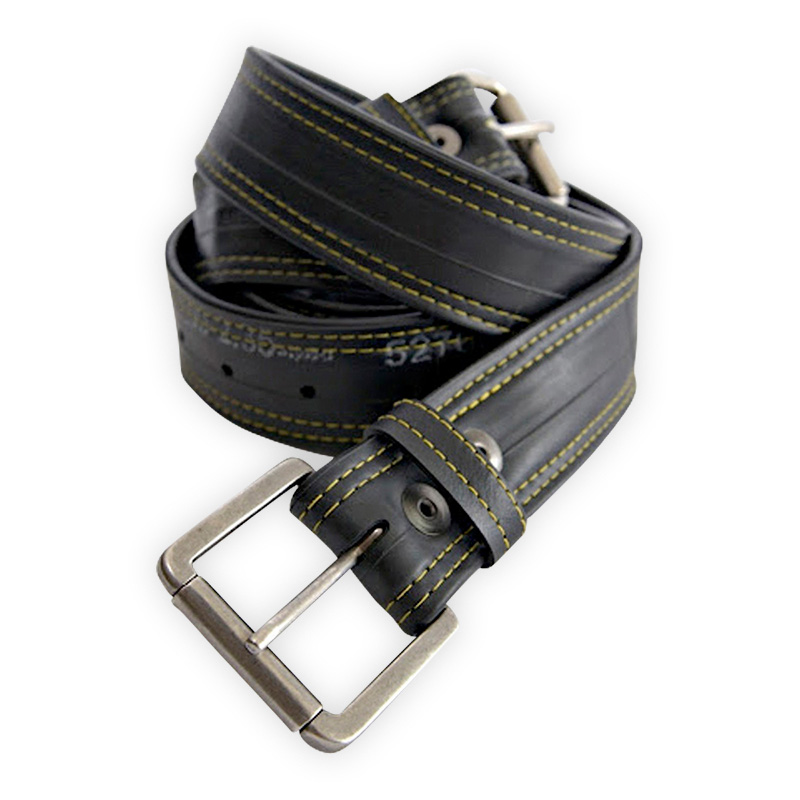
Alchemy Goods Vegan Rubber Belt

Alchemy Goods Recycled Bike Tube Vegan Rubber Belt
Fair Indigo

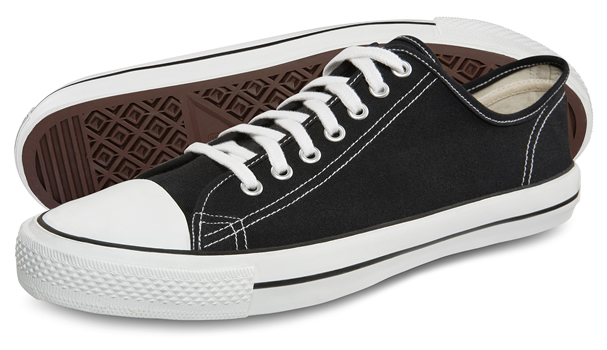
Ethlectic Black and White Low-Top Sneakers

Ethlectic Black & White Low-Top Sneakers
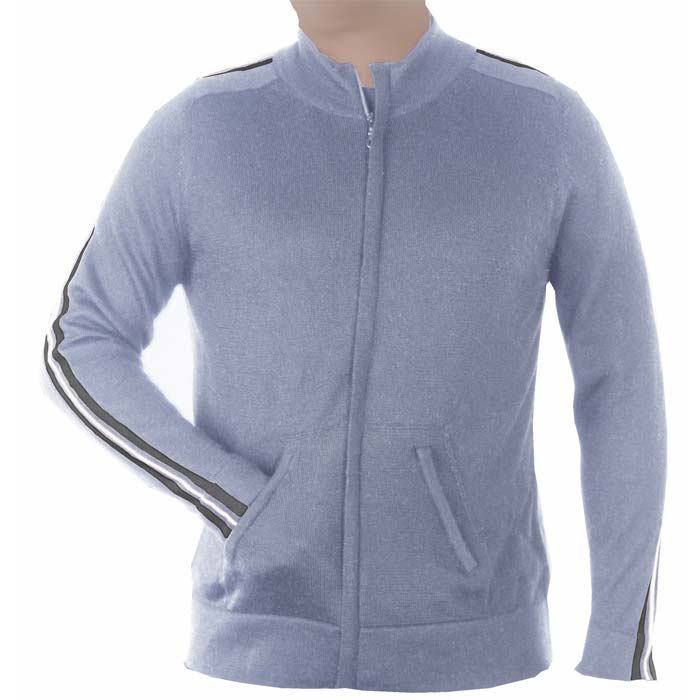
Autonomie Project

Urban Ski Zip

Urban Ski Zip
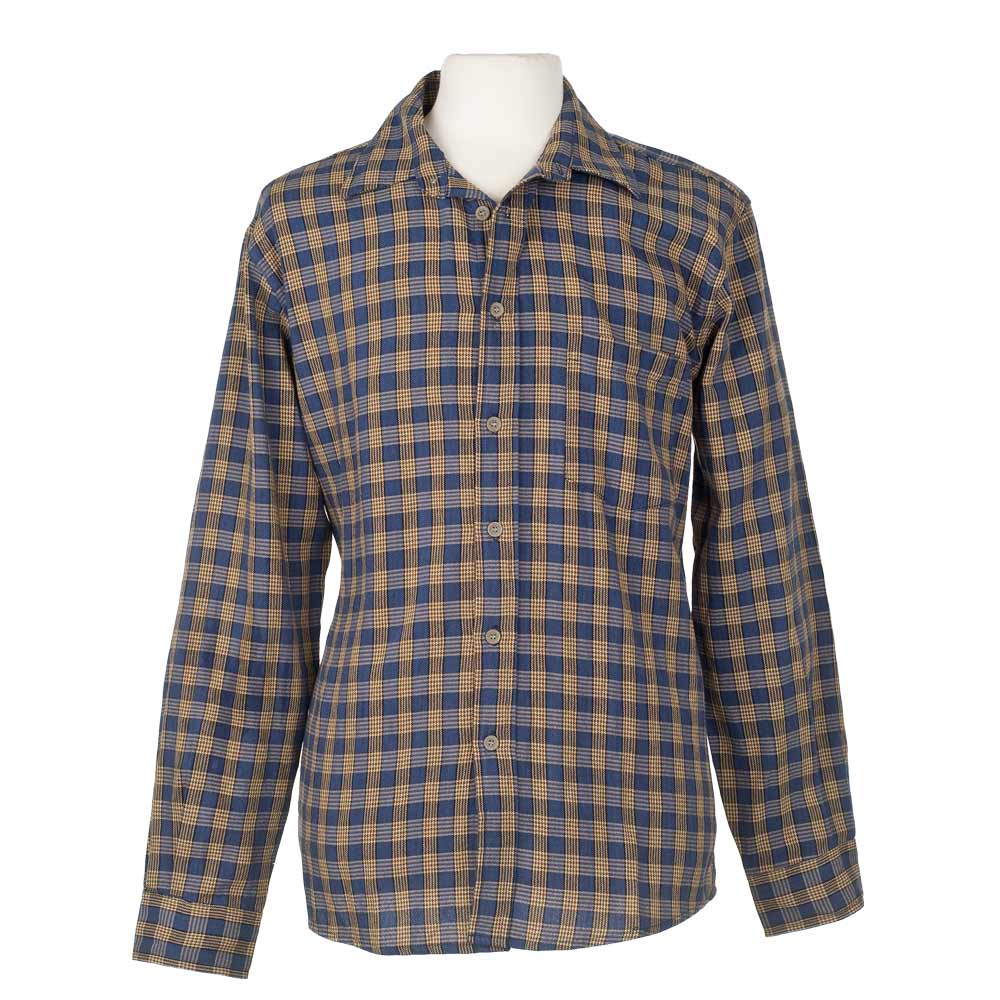
Indigenous

Organic Rancher Shirt

Organic Rancher Shirt
Indigenous

Eldorado Unisex Organic Polo

Eldorado Unisex Organic Polo
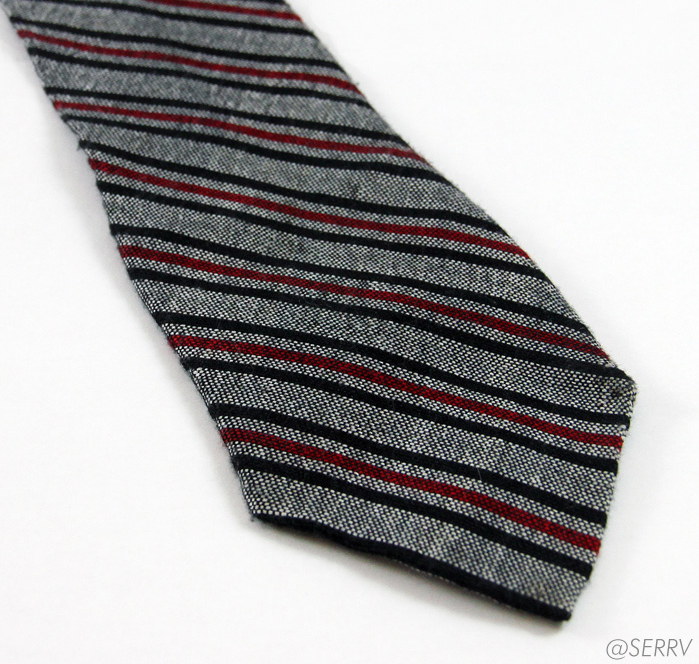
HAE Now

Crimson/Grey Thin Stripe Tie

Crimson/Grey Thin Stripe Tie
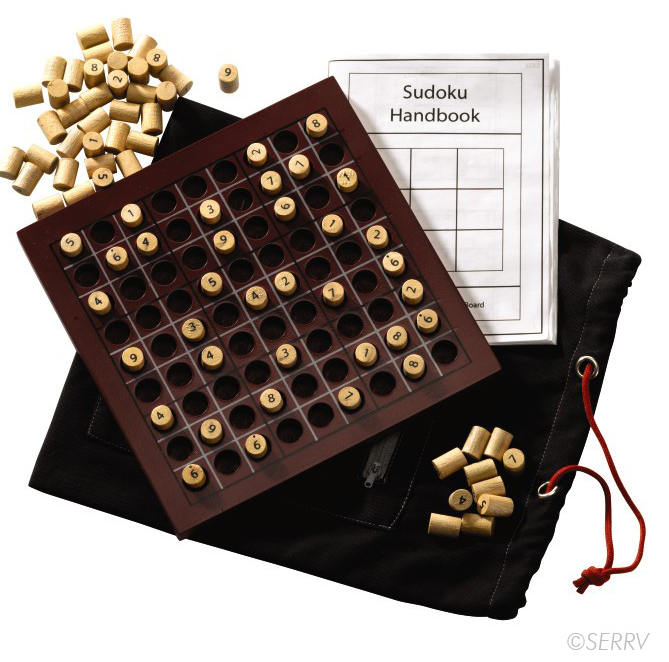
SERRV

Sudoku Wooden Peg Board

Sudoku Wooden Peg Board
SERRV

Leather Laptop Bag

Leather Laptop Bag
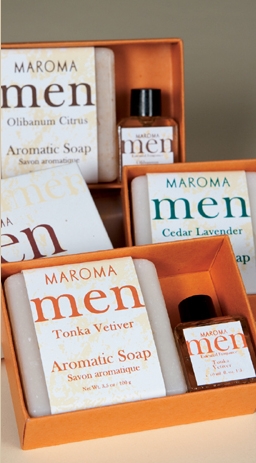
SERRV

Men's Soap & Fragrance Gift Set

Men’s Soap & Fragrance Gift Set
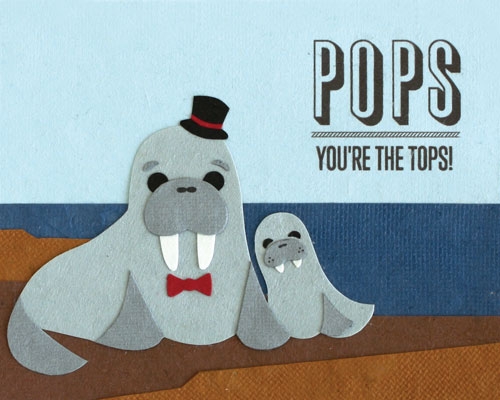
Fair Trade Winds

Pops You're the Tops Card

Pops You’re the Tops Card
Fair Trade Winds

What are you getting your dad this year? I’m loving that Pop You’re the Tops card; that may have to be part of my gift!