Living Your Values at Your Job

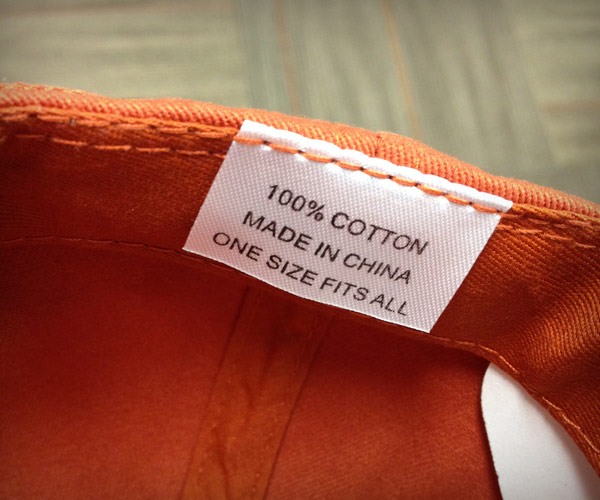
Image of tag inside baseball cap that reads "Made in China"
Over the years, I’ve defined a fairly rigorous ethical shopping process for my personal purchases. I do a lot of research into retailers’ labor practices; I look for used, recycled and made-in-USA options; and oftentimes I decide I don’t need what I’m shopping for at all. But I’ve realized that this process does not really carry over when I make purchases at work.

As a graphic designer, paper is one of the most common things I buy, and I do look for recycled and made-in-USA options. However, when it comes to other types of purchases, I tend to go with whatever my company has historically done. For example, my company has an event in May every year where we hand out baseball hats. This year the ordering of the hats fell to me, and I ordered them the same way we we’ve ordered them every year, which means they were custom-sewn in China.

There were many things I could have done to make sure our hat order was as ethical as possible:

  • I could have asked our vendor what she knew about the factory where the hats are produced.
  • I could have found pricing for hats made in the USA (though I had been informed that domestically-produced hats are much more expensive).
  • I could have looked at the hat options on Ethix Merch, a site I’ve known about for years that specializes in ethical promotional items like pens and branded apparel.

Why didn’t I do any of these things? One reason is that it can be scary to challenge the status quo, especially if you are suggesting that your company’s current way of doing things is unethical. It gets even trickier when you can’t prove their practices are unethical, even if in your opinion it’s highly likely that they are. I can’t prove that the hats we order from China are made in a sweatshop. But even investigating it would raise eyebrows.

I’m betting that a lot of individuals care on a personal level about human rights and the environment but don’t take action through their jobs. Raising questions of ethics at work is definitely a risk and, depending on the company culture, could cost someone their job. I’ve seen friends struggle through long-term unemployment, so I find it hard to blame anyone for not speaking up. The question is: how do we start to make it OK for ethics to be part of conversations and decisions in the workplace? What positive change could we realize if it wasn’t a risk for people to ask challenging questions?

We need to shift to a culture where the ethics of a decision or purchase can be weighed equally alongside other factors like cost and quality. Will the most ethical choice always win? Nope. But sometimes it would, and just having that conversation gives people permission to really think about the ethics and values of their decisions.

Have you experienced anything like this at your job? Do you find it difficult to live your values at work?

My Top 3 Thrift Shopping Tips

With all of the fair trade topics I have been covering lately, it’s been a while since I’ve mentioned my other approach to ethical consumerism: thrift shopping. While I tend to go fair trade when purchasing gifts for others, when I need something for myself the first stop is the thrift store. Thrift shopping reduces waste by giving old items a new life, and when you buy from a thrift shop, your money does not go to support the companies who produced the items using potentially exploitative practices.

Thrift shopping can be overwhelming, especially if you’re not used to the structure (or lack of structure) in your local resale shops. Here are my top three tips for finding items you will love and wear!

Infographic of top 3 thrift shopping tips

1. Have a specific item in mind

For several years, I viewed thrift stores as magical wonderlands full of treasures for me to discover, and I would go thrift shopping with no set agenda or list. This approach led to me having a closet full of interesting and eye-catching items that didn’t necessarily work together as outfits and weren’t practical for my everyday life.

Nowadays, when I hit the thrift store I look for one thing. Black pants. Comfortable flats. A tan cardigan. Having a specific item in mind helps me focus in the often overwhelming landscape. The time you save by not aimlessly wandering the aisles is time you can spend really evaluating at every available option that matches what you want.

2. Try things on

For me, one of the major benefits of thrift shopping over buying ethically-produced clothing online is the ability to try things on. I don’t have the patience for the song-and-dance of ordering something, it not fitting, and having to send it back. Thrift shopping is my answer to this problem. The clothes are right there! I can try on 10 pairs of pants immediately!

Before you start gathering things to try on, be sure to confirm that the store you’re at has a fitting room. Of the thrift stores near me, Goodwill has fitting rooms while Value World does not. If you’re at an independently-owned vintage or consignment shop, it could go either way, so be sure to look around or ask a clerk if you don’t immediately see one.

Stores without fitting rooms can still be worthwhile stops depending on what you are looking for. You can try on cardigans, jackets, shoes, and accessories without a fitting room, so if I’m looking for any of those things I include stores without fitting rooms in my lineup.

Rack of clothing at a thrift store

Photo credit: tome213 @ freeimages.com

3. If you don’t love it, don’t buy it

This is perhaps the hardest lesson to learn in thrift shopping. I used to buy anything that fit decently, regardless of whether I needed it or what condition it was in (other than major damage or holes). As a result I had a wardrobe that looked like it had already been through the wringer and again didn’t always cohere into good outfits.

Now I ask myself a series of questions before I buy something. Is it in like-new condition, or does it already look worn-out? (Cheap knit fabrics can wear out and pill easily, so check for wear even on current styles.) Do I feel good wearing it? Is it flattering on me? Would I buy this item new if I saw it in a regular store?

Those are my top three tips for successful thrift shopping. I’d love to hear yours—post ’em in the comments!

News Roundup: May 2014

Happy Wednesday! Another month has gone by, which means it’s time for another roundup of articles and links that caught my interest recently. Check out the links below for some great resources and thought-provoking insights!

Creating a Fair Wardrobe – A four-part blog series from For the Love of Justice

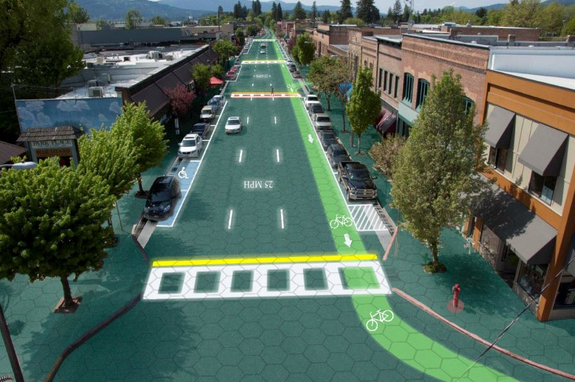
Rendering of solar roadways

Rendering of solar roadways

Solar Roadways: The Most Groundbreaking Innovation since the Internet (Modavanti)

Why Textile Waste Should be Banned From Landfills (Triple Pundit)

Modavanti has teamed up with Green Tree Textiles for our Modacycle Campaign! – Details on Modavanti’s new textile recycling initiative (Modavanti)

Shopping for shoes is a minefield – This article points out how athletic shoes lag behind other apparel sectors in transparency/sustainability. (Dynamic Business)

The Rise of Conscious Business Needs the Support of Conscious Consumerism — Who should lead the way in ethical consumerism: business or consumers? (Pro Bono Australia)

Free2Work Electronics Industry Trends 2014 – Report on efforts being made by electronics companies to address exploitation and forced labor in their supply chains (Free2Work)

10 Biggest Excuses For Not Paying a Living Wage (And Why They Suck) (Ecouterre)

Fashionably Informed: 5 Ethical Fashion Companies (College Fashion)

Can fair trade clothing prevent the next factory tragedy? (Humanosphere)

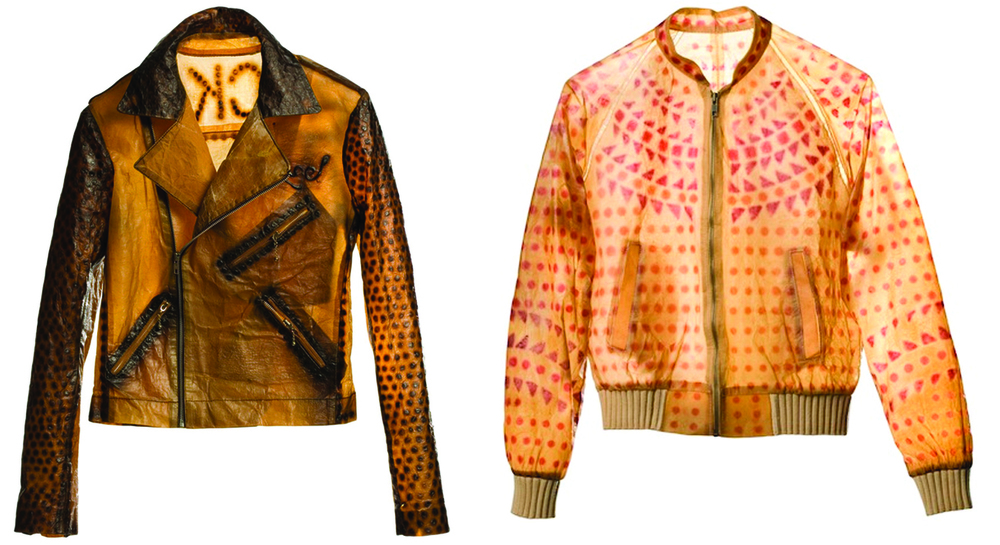
Fabric generated from bacteria from The Next Black documentary

Fabric generated from bacteria from The Next Black documentary

The Next Black – Review of a documentary about technology in the future of fashion (The Note Passer)

Youths Sue U.S. Government Over Climate Inaction (Al Jazeera America)

Ifixit – Website that provides resources for repairing items instead of replacing them, which helps reduce waste and unnecessary consumption

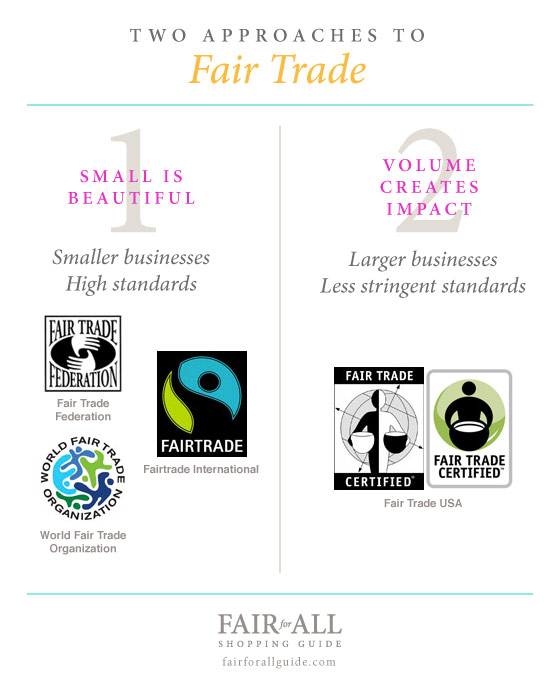
I’ll leave you with this excellent pin from Let’s Be Fair:


What have you been reading lately? Let us know in the comments!

Spring Dresses

On Saturday, I stepped out to Global Gifts with a friend to check out their World Fair Trade Day event. Global Gifts doesn’t typically carry clothing, but imagine my joy when I discovered they were having a special trunk sale with items from Mata Traders and Global Mamas! They had some tops and skirts, but I homed right in on the dresses. I am a sucker for dresses, especially in the spring and summer.

Fair Trade Spring Dresses

1: Flights of Floral Dress – Mata Traders
2: Keyhole Cutout Dress – Mata Traders
3: Retro Shirt Dress – Global Mamas

I’ve written previously about the Mata Traders dress I purchased last year, which I really like but required a lot of alterations to fit well. I was excited to try on some of their other styles to see what the fit was like.

The Flights of Floral dress fit me very well. The yellow and gray print that they had in the store was cute, but I wasn’t feeling it for myself personally—I felt kind of washed out in it. The red and purple version available online might make me feel more vibrant.

I was really excited about the print and style of the Keyhole Cutout dress. Unfortunately, it had the same fit issues that I had with the dress I already own. I think it would possibly fit someone longer-waisted or larger-chested, but for me the proportions were just too far off the mark. They do offer a peplum skirt in the same print, though, which would be just as fun to wear and easier to alter if the fit wasn’t perfect.

I also tried on a retro-style dress from Global Mamas. This photo is a little misleading; in person the blue and green were much closer in shade and the whole print had less contrast overall. It was cute and seemed to be proportional; however I was thwarted by their smallest size still being too big. My only World Fair Trade Day purchases ended up being a birthday card for my boss from Sanctuary Spring and a jar of Swazi Fire Sauce from Eswatini Kitchen.

So why am I telling you a story about dresses that didn’t fit? I think it’s important to be honest about the challenges of ethical shopping. Finding a dress that fits your shape and style and budget can be tough, and then to add your values into the mix? It’s tricky.

But is it worth it? Absolutely. We may not be able to be perfect all the time, but when I think about the experience of a woman sewing dresses for a fair trade company like Mata Traders versus the experience of a woman stitching in an unsafe and underpaying sweatshop, it is 100% worth the extra time to make the best effort I can to support companies who treat people well.

Everybody’s shape is different, so if you’re in the market for a spring dress, definitely check out the links above and see if they work for you. Have you found any great ethical dresses this spring? Share your successes (and failures) in the comments!

News Roundup: April 2014

Okay guys, for real, I think it’s spring now. No more false alarms like my last roundup. Read on for the articles and links that caught my eye this month:

The Shirt on Your Back – This interactive documentary profiles the garment industry in Bangladesh and shares the stories of Rana Plaza workers. I haven’t watched the whole thing, but what I have seen so far is informative and powerful. (The Guardian)


Jeopardy Contestant Accuses Alex Trebek of Wearing Sweatshop Suits – Contestant Tom Kavanaugh was talking about making a documentary about sweatshop labor and hit Alex Trebek with a kid of harsh accusation about the origins of his suit. It’s an amusing clip, and while it was probably an inappropriate comment, I don’t fault Kavanaugh much for it since I think it just shows his passion for the issue. Kavanaugh even shares his side in the comments. (Gawker)

Celebrate World Fair Trade Day – World Fair Trade Day is Saturday, May 10, 2014! Visit the link for ideas for participating, from wearing your favorite fair trade accessory to giving a fair trade gift to a loved one. (Fair Trade Federation)

The Importance of Organic Cotton – Did you know that cotton producers use as much as 25% of the world’s insecticides and more than 10% of the world’s pesticides? This post from Modavanti describes the downsides and dangers of conventionally-grown cotton and the benefits of organic cotton. (Modavanti)

World’s Most Ethical Companies – I’d take this list with a grain of salt, as it includes known offender Gap, Inc. (who received a Public Eye “award” earlier this year for failing to sign the Accord on Fire and Building Safety in Bangladesh). (Ethisphere)

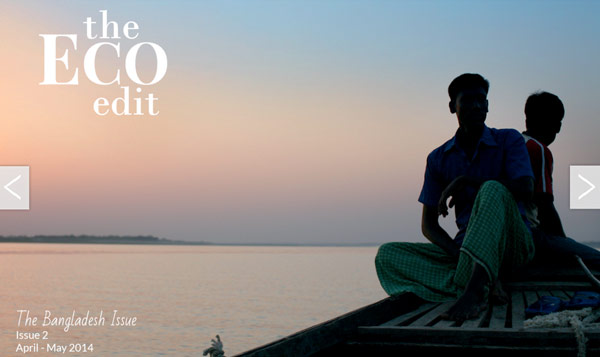
The Eco Edit from People Tree cover image

The Eco Edit – I just found out that People Tree has a digital magazine! The April/May 2014 issue focuses on Bangladesh and how things have changed there in the year since the Rana Plaza disaster. There are some more fun, fashiony features as well to balance the more intense stories. (People Tree)

The Stories in Your Closet: What Do Your Clothes Say About You? – This article explores the idea of people having meaningful relationships with the things they wear and respect for the craftsmanship it takes to make garments. (Triple Pundit)

Free2Work Coffee Ratings 2014 – This report assigns a letter grade to a selection of coffee companies based on their systems for preventing and addressing child labor and forced labor. (Free2Work)

Who Made This Fabric? – Interesting profile of a company called Thread that works in Haiti and Honduras to turn trash into fabric. (Fashion Revolution)

Former Architect Shows Untold Beauty Inside America’s Textile Industry – Speaking of making fabric, check out these interesting photos from inside American textile factories. Holy spools, Batman! (My Modern Met)

What have you been reading this month? Any plans for World Fair Trade Day? It coincides conveniently with Mother’s Day weekend, which I may or may not have almost forgotten about… (That’s what happens when I buy a card five weeks in advance!)

One Year Ago

Today is the one-year anniversary of the collapse of the Rana Plaza factory in Bangladesh. More than 1,100 people were killed and more than 2,500 were injured in the collapse. As a result, factory safety and working conditions were thrust into the global spotlight. Since then the conversation about ethical fashion has continued to grow, and people have started to be more aware of the issues that exist in the clothing manufacturing world.

Fashion Revolution Day logo

Today is also Fashion Revolution Day, a worldwide initiative organized by a coalition of UK ethical fashion groups to intentionally coincide with the anniversary of Rana Plaza. Check out this list of ways to participate, from reading a book about the perils of fast fashion to wearing an item of clothing inside-out to donating to the Rana Plaza Arrangement.

Some companies whose clothing were manufactured in the Rana Plaza factory, such as Walmart, Benetton and The Children’s Place, have still not fairly compensated the victims’ families. The International Labor Rights Forum is conducting a day of action to call on these companies to pay. Visit their day of action web page for information about their events and links to petitions.

For me, today is a day to remember last year’s tragedy with sadness but also with hope for the future. There is still a long road ahead, but every vote we cast with our dollars for ethically-made products takes us one step closer to a world where this kind of tragedy doesn’t happen.

What are your thoughts on the anniversary of Rana Plaza? Are you participating in Fashion Revolution Day?