Introducing Bethany, our new contributor!

I’m thrilled that my good friend Bethany Daugherty is joining the Fair for All team as a contributor! She will be sharing periodic updates as she goes on a mission to buy only ethically-made or secondhand clothing this year. Here’s Bethany’s introduction to her quest in her own words. — Julia


Three years ago, I texted a number off of a really sketchy looking flyer that was posted on a bulletin board at the college I was about to graduate from. The flyer was very vague and plain, and said “Looking for a bass player for a bluegrass band. Text Kevin at 317-XXX-XXXX.”

I had just stolen a string bass, and was looking for more opportunities to learn how to play it. Okay, okay, I didn’t really steal it…I actually borrowed it from my mom and then never gave it back (thanks Mom!). I texted the number. This Kevin character texted back, and it was all set up for me to attend the first rehearsal at his house. All I could think was “I’m probably going to get murdered and killed.” Then I got another text asking if I had any food allergies. Murderers don’t care about food allergies! Little did I know that texting a random person from a sketchy flyer would turn out to be one of the best decisions I’ve ever made. And guess who was also a part of this band?

Group photo of Juvin: The One-Man Band

Bethany (left) with her quasi-stolen bass and the band

That’s right, none other than the lovely Julia Spangler! Over the past three years, we have become good friends, and I started reading this blog. When she screened “The True Cost,” I attended, and it was really eye-opening for me. Over the past six or seven months, I’ve had a Dr. Seuss quote stuck in my head:

Even though you can’t hear them or see them at all, a person’s a person, no matter how small.”

It really reminds me of the issues that were presented in that film. I can’t hear or see or know the people who are at the other end of the goods that I consume, but I can’t pretend they don’t exist.

In 2016, I’m tackling the sartorial issue head first—I am choosing to take responsibility for every dollar I spend, and committing to not purchase any new items of clothing unless they are fair trade. I’ll be relying on thrift shops, clothing swaps, and fair trade retail…and making do with the clothing I already own! You can look forward to upcoming blog posts throughout the year about my progress, what I learn through this process, and various DIY posts as I spruce up the clothing I own.
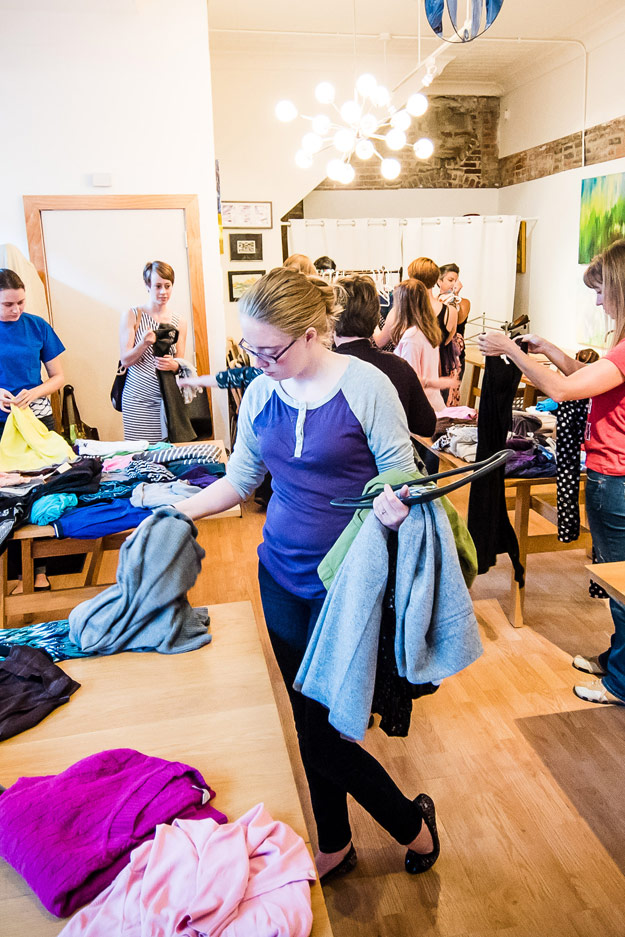
Bethany browsing tables of clothing

Bethany swappin’ it up at FairSwap15

I’m pretty new to all of this, and I’m still learning all the ins and outs on my quest to take responsibility for my own wallet. I still make mistakes, and I still occasionally buy something that I’m not entirely sure where it came from. Some of the challenges I’m anticipating are finding work-appropriate pants (that fit correctly and are not giant bell bottoms), blue jeans, undergarments, exercise clothing, and shoes. I’m only one month into this challenge, and it already sometimes feels overwhelming, but at the end of the day it helps me sleep at night to know that I’m doing what I can to treat those invisible and silent people with respect.

Upcoming Events in January: Trunk Show and Style Swap

January looms before us as a barren wasteland of post-holiday gloom. But fear not! I have two free events coming up that are sure to break up your winter doldrums.

Slow Fashion Trunk Show promo poster

Slow Fashion Trunk Show

Thursday, Jan. 7 from 6:30–8:30 p.m.
@ Outpost (Circle Centre Mall, 2nd floor, across from H&M)

Elizabeth Roney from Liz Alig, Sara Baldwin-Schatz from Lux & Ivy, and I are teaming up for an evening of fair trade fashion, secondhand style, and sustainable strategies. Elizabeth and Sara will offer great slow fashion items from their brands, and I’ll speak on the differences between slow fashion and fast fashion, with time for Q&A from all three of us. It’s also a great chance to see the Outpost pop-up shop before it closes!

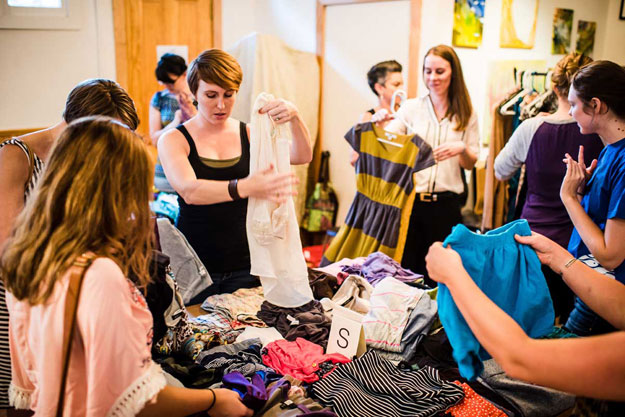
Women browsing clothes at FairSwap15

WinterSwap16 Women’s Style Swap

Wednesday, Jan. 20 from 6–8 p.m.
@ New Day Craft

FairSwap15 was such a big hit last September that we’re bringing it back in January! Collect any wearable holiday gifts that weren’t quite your style, plus any other unwanted clothing, shoes and accessories you have, and bring them to WinterSwap16. This swap will be bigger and better than the last with more items allowed per person. Plus, New Day’s famous Mead & Knead will be going on at the same time! Sign up and get the full details. Spots are limited!

Check out photos and details from past events on the Events page. Happy holidays and I’ll see you in January!

The Journey Behind the “World’s Greatest Beanie”

Krochet Kids Intl. is a brand that’s truly dedicated to connecting consumers with the people behind their products. I’m excited to share their latest project with you, via the following post written and originally published by Abby Calhoun on her blog A Conscious Consumer.

Abby founded A Conscious Consumer as a way to document her journey towards practicing more mindful fashion consumption. Through her site she hopes to inspire others to evaluate their needs vs. wants in relation to fashion, and to look for alternative ways to satisfy both without compromising people or the environment.

Gray beanie on work table

I’ve said it before and I’ll say it again: as far as transparent and socially conscious brands go, Krochet Kids intl. is a leader of the pack. Since their inception in 2007, KK intl. has emerged as pioneers in the #knowwhomadeit movement, drawing consumer attention to the people at every step of the production process. Now they’re taking their innovative approach to social enterprise to the next level.

With the launch of their new Kickstarter campaign, KK intl. is asking for support in making the “World’s Greatest Beanie,” a project named for its revolutionary look at their supply chain and its emphasis on environmental sustainability. The “World’s Greatest Beanie” is made from the finest materials available without the use of chemicals or dyes, and in true KK intl. fashion, introduces supporters to every person along the production chain.

We took extra considerations into understanding every detail that goes into creating this product. Generations of craftsmanship stand behind the process and we are so excited to introduce a new generation of customers to the importance of these stories, both from a quality and social impact standpoint.

– Kohl Crecelius, CEO & Co­founder

The beanie starts at an alpaca farm in the Andes Mountains of Peru, and moves from farmer, to shearer, to fiber selector, to yarn maker, to craftswomen, and finally to consumer, all with complete transparency:

Alpacas grazing
Alpacas on a hillside in Peru
Worker selecting alpaca fibers
Close-up of alpaca yarn
Woman wearing gray beanie
Photos and signatures of workers

*all images courtesy of KK intl.

In line with KK intl. tradition, every beanie is hand ­signed by the woman who made it, connecting consumer with producer. KK intl. is dedicated to repairing these broken links that are inherent in the fashion industry as we know it today, and is demonstrating how one purchase can make a huge impact. Their model is based on empowerment and challenges consumers to transform the global fashion industry with their purchase.

We believe products have worth because people do. Our world would be a drastically different place if we all considered the impact our clothing had on the people who created it. This is the conversation that we want to bring to the forefront of the global dialogue.

Please consider standing up with KK intl. to let the world know there’s a new way that our products can be valued. By supporting their Kickstarter campaign, you can be part of a movement that says people matter.

The Search for Ethical Swimwear

Guys, I had every intention of writing a “Top 5 Ethical Swimwear Picks” post with the latest and greatest ethical swimsuit brands. It’s been a couple of years since I’ve shopped for a new swimsuit, and with the expansion the ethical fashion scene has undergone in the last few years, I figured there would surely be plenty of new options to investigate and at least one that worked for my style and budget.

Alas, the swimwear arena appears to be lagging behind the rest of the ethical fashion industry—in fact, the ethical swimwear industry may even be shrinking. I contacted Faerie’s Dance, an online store that carries several sustainable swimwear styles, and they informed me that all three of their swimwear suppliers have gone out of business in the last two years.

There are still some options out there, despite there not being as many as I’d hoped. Here are some of my favorites that I found:

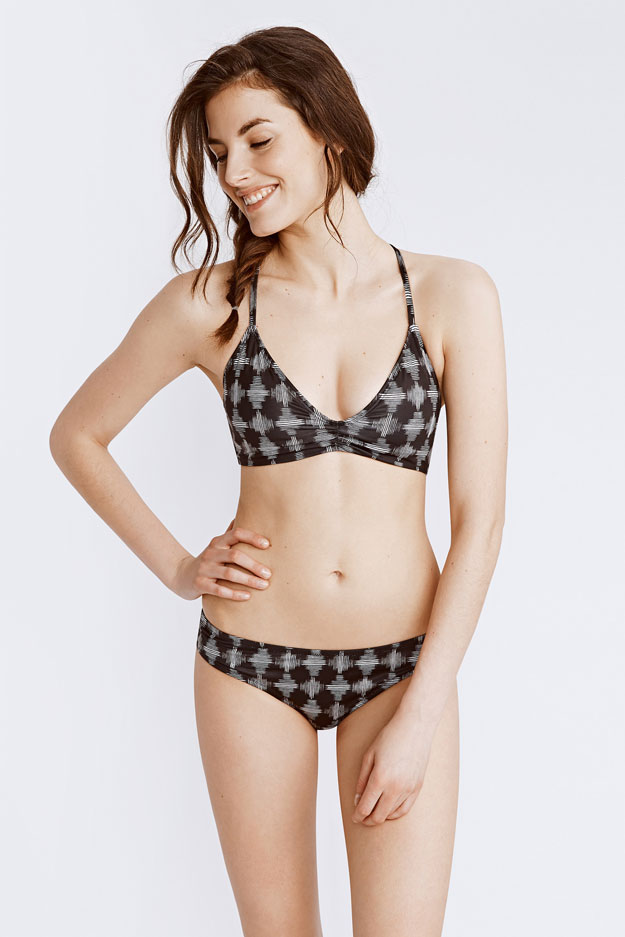
Faherty graphic weave bikini

Graphic Weave Bikini from Faherty (top, bottom)

  • Made in the USA
  • Eco-friendly fabric is a blend of recycled polyester from plastic bottles and Lycra

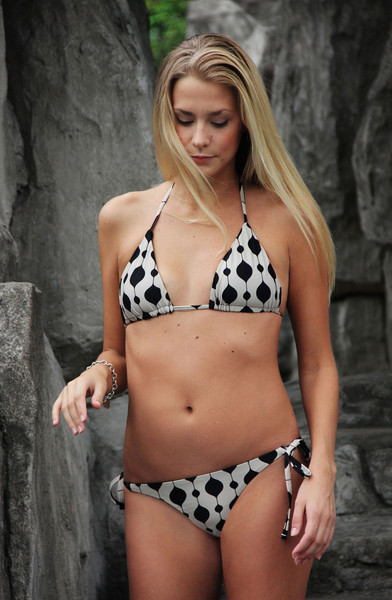
Latte Drops Reversible Bikini from FINCH

String Theory Reversible Bikini from FINCH (top, bottom)

  • FINCH maintains close relationships with their factories in China and Indonesia. Based in Shanghai, they are able to visit their local suppliers frequently.
  • Do not impose rush deadlines on suppliers or force a “race to the bottom” for costs
  • FINCH aims to design a timeless product that can be worn for many years. They repeat their core prints year after year, which reduces pressure on suppliers and allows consumers to replace one half of a bikini instead of both pieces, if only one is worn out.
  • Fabric is made from certified 87% Repreve brand recycled PET (post-consumer use bottles) and 13% Spandex

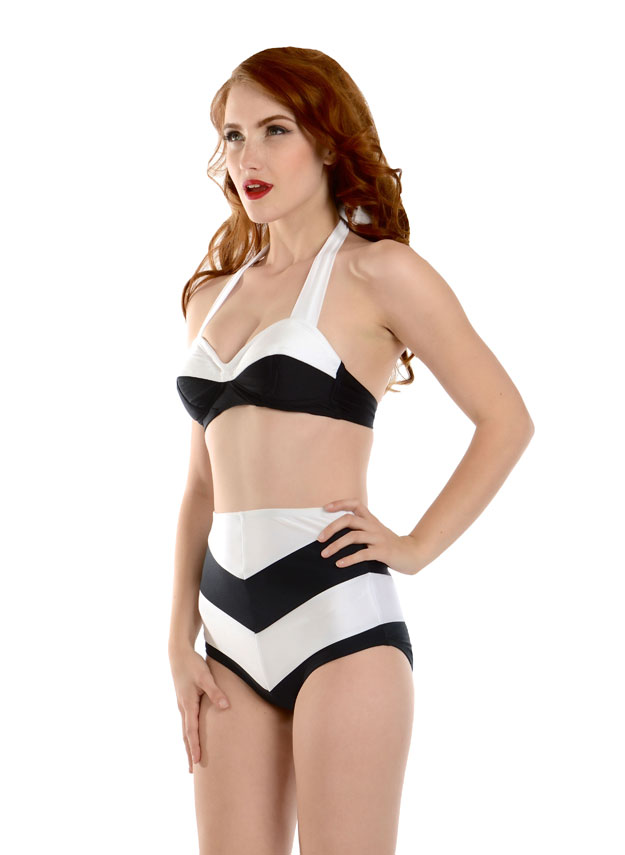
Black and white bikini from Fables by Barrie

Yvette Swim Bra and Amelia Bikini Bottom from Fables by Barrie

  • Made in San Diego, CA
  • From their about page: “We take pride in being most definitely sweatshop-free.”

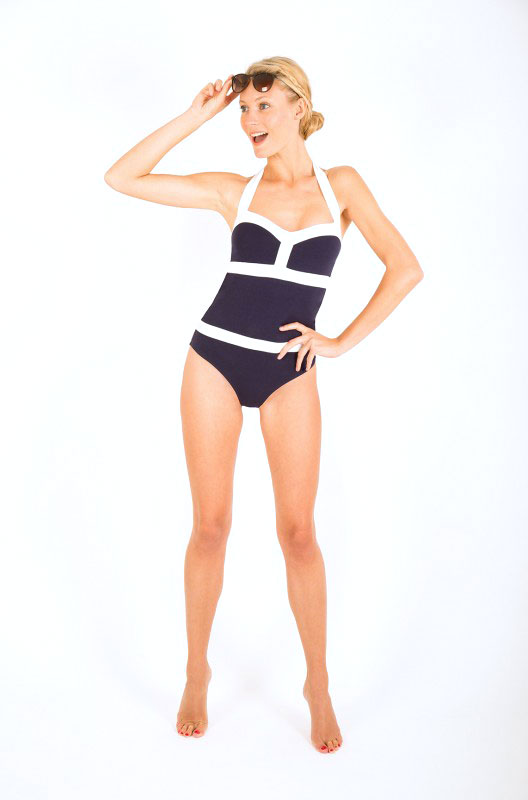
Mathilde one-piece swimsuit from LUZ

Mathilde One-Piece from LUZ

  • Fabrics is 93% GOTS-certified organic cotton and 7% elastane
  • Products are made in accordance with fair trade principles (fair salary, up-front payment, realistic and defined work schedule, long-term business relationship)

If you noticed a trend in my color choices (except for Mathilde—it’s navy!), I looked primarily for black designs so I could match them with the plain black bikini bottoms I already have.

For more ethical swimwear options, check out these posts:

Suit Yourself – Ethical Swimwear – Birds of a Thread
2015 Sustainable Swimwear Guide – Ecohabitude
Ethical and Adorable Swimwear  – Purse & Clutch
Guide to Ethical Swimwear – The Note Passer

Has anyone ever tried a cotton swimsuit before? The designs and colors in the entire LUZ collection are gorgeous. They make me almost want to roll the dice and try one…

Product Review: Karina Dress from Synergy Organic Clothing

For as long as I can remember, my mom and aunts have had a big vendetta against the color coral. “It’s not even a real color,” they would say, scoffing at any coral-colored garments on the rack at Nordstrom (our frequent shopping destination in my childhood). It’s taken me years to overcome their anti-coral propaganda, but I’ve been fully embracing the color lately and let me tell you, it feels good.

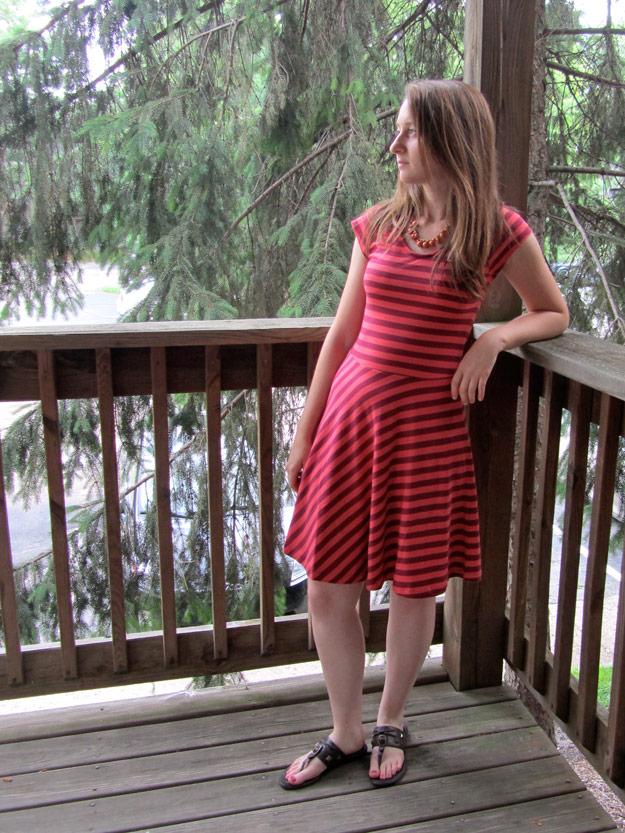
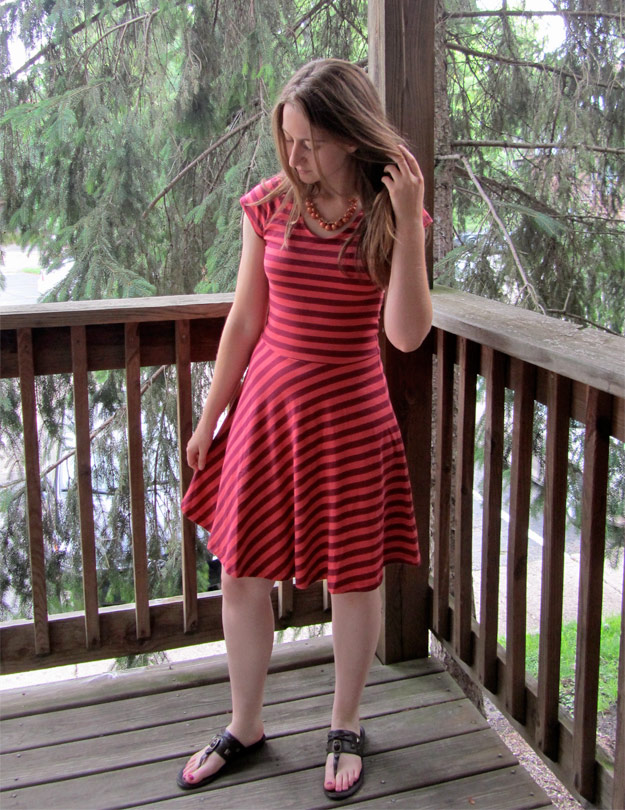
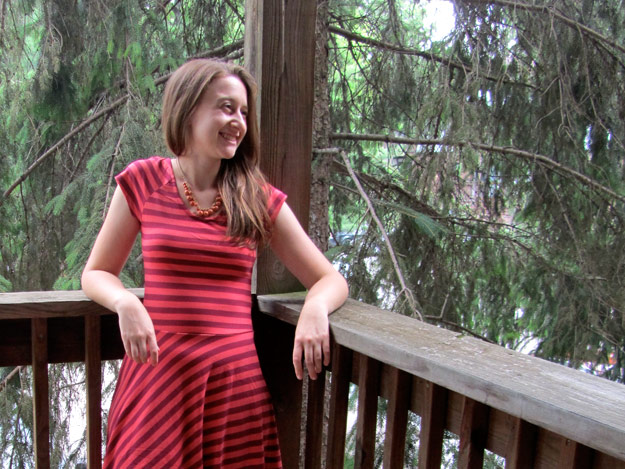
I recently received the Karina dress from Synergy Organic Clothing to try out, and I was drawn to it first for its coral and reddish-purplish stripes. It’s like if Beetlejuice was a skater girl from a tropical climate, which I mean as a compliment.

Front view of Karina Dress from Synergy Organic Clothing

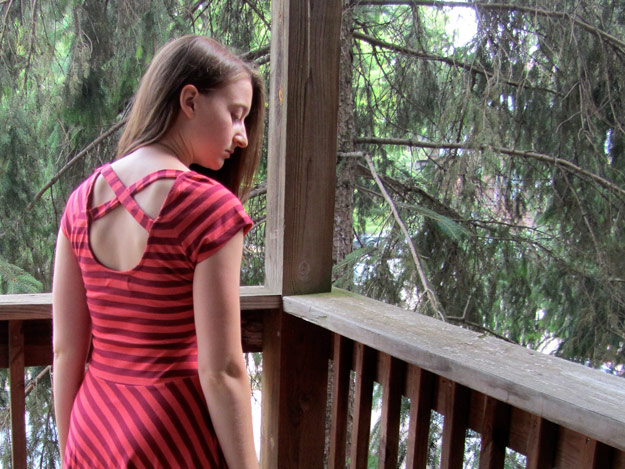
The swingy skirt and scooped back also appealed to me, and as always, I went for sleeves and a not-too-short length in case I want to try to wear it to work. The cotton fabric is wicked comfortable.

Back view of Karina Dress from Synergy Organic Clothing

The dress fit perfectly out of the box except for the straps that cross the scooped back. If I was slouching, the straps were about right, but if I stood up straight, they were kind of loose and droopy. I like to err on the side of good posture (which I attempt to have occasionally), so I shortened the straps a little with a few quick stitches and now they fit whether I’m slouching or not.

Karina Dress from Synergy Organic Clothing

The one thing I wish this dress had was pockets. I keep putting my hands on my hips expecting pockets to be there and I’m disappointed every time. However, I love the real-world-helpful description of the dress on the Synergy website. How many online stores have notes like “Scoop neck in front and back, high enough that you can still wear a bra”? Thank you for knowing what I actually care about!

Karina Dress from Synergy Organic Clothing

Socializing at my imaginary barbecue!

In terms of ethics, this dress is firing on all cylinders. The fabric is 100% GOTS-certified organic cotton dyed with low-impact dyes (meaning it meets certain requirements in regard to toxicity and biodegradability), and the dress is sewn in a fair trade operation in Nepal. Synergy is also a Green America Certified Gold business. Learn more about Synergy’s ethics.

I’m looking forward to wearing this dress to cookouts and swing dances and for general frolicking. Does your family hate on a particular color? Can you even imagine not liking coral? (I can’t anymore.)

P.S. Synergy is currently running a summer sale: Get 20% off your clothing order with code summer20.

Disclosure: Synergy Organic Clothing provided this dress for free for me to review. All opinions are my own.

Find Pretty Much Anything Ethically with These Directories

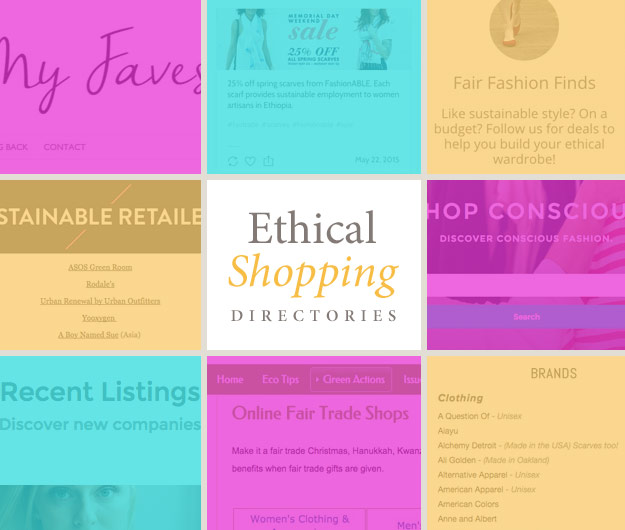
Ethical Shopping Directories header

Once upon a time, the Fair for All Guide was the Fair for All Shopping Guide, and it was our dream to create an all-encompassing directory of ethical products and brands and to be a one-stop shop for anyone who wanted to make any kind of ethical purchase.

Our plan ended up being a little bigger than our britches, and we retired our directory in 2014. However, there are many other blogs and websites that feature ethical shopping directories, which we share on our Resources page. We recently added the following new directories to the list—check them out to help you find what you’re looking for!

Note that each directory is maintained according to its owner’s ethical criteria, which may differ from Fair for All’s. Be sure to look at the ethics of any specific company before purchasing.

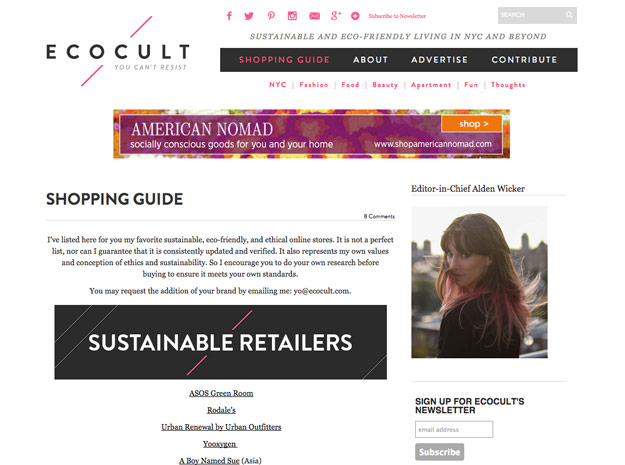
EcoCult screenshot

EcoCult Shopping Guide

Includes several categories like clothing, jewelry, accessories, lingerie, men’s, beauty, and home.

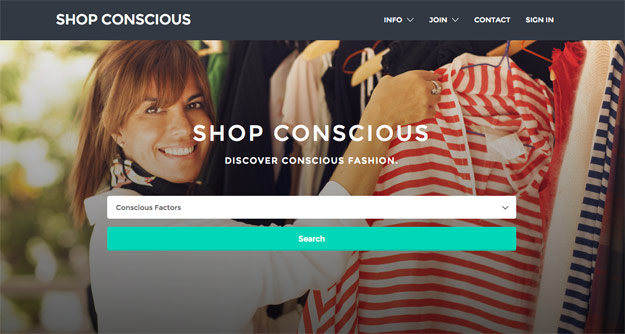
Shop Conscious screenshot

Shop Conscious

Shop Conscious focuses on fashion brands and enables you to filter by a plethora of conscious factors including Handmade, Fair Trade, Empowering Women, Recycled Materials, Made in the USA, Vegan and more.

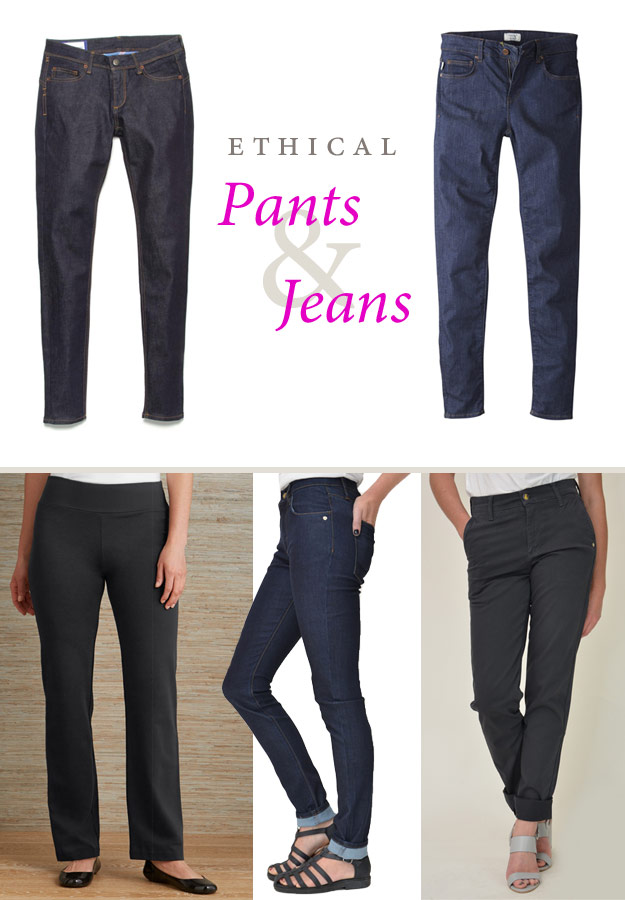
Top 10 Fashionable Fair Trade sites screenshot

Top 10 List of Fashionable Fair Trade Companies

Looking for some chic wearables? This top ten list (actually featuring twelve items!) is for you.

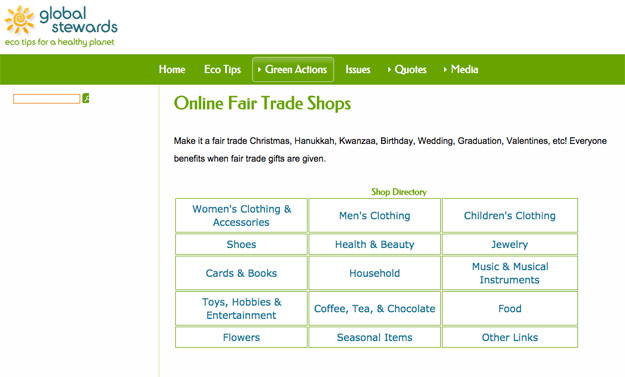
Global Stewards screenshot

Global Stewards Directory of Online Fair Trade Shops

Lists fair trade websites only. Categories include the usual plus some more obscure ones like toys/hobbies/entertainment, seasonal items, food, and flowers.

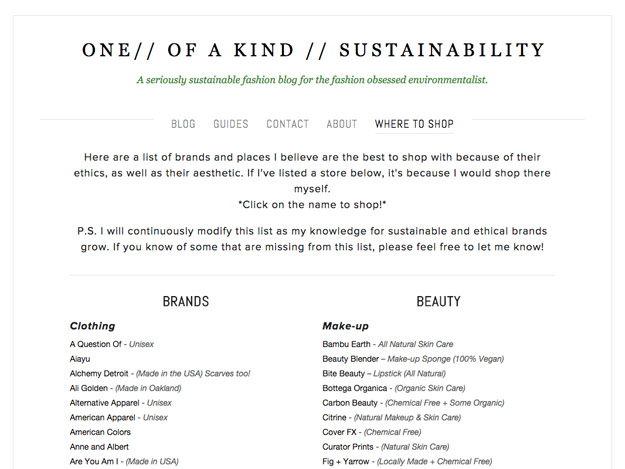
One of a Kind Sustainability screenshot

One of a Kind Sustainability Where to Shop Directory

Focuses on environmental sustainability rather than human rights, but several brands cover both bases. Includes categories for clothing, shoes, accessories, beauty and home, plus helpful notes about the product style or ethics/sustainability of each link.

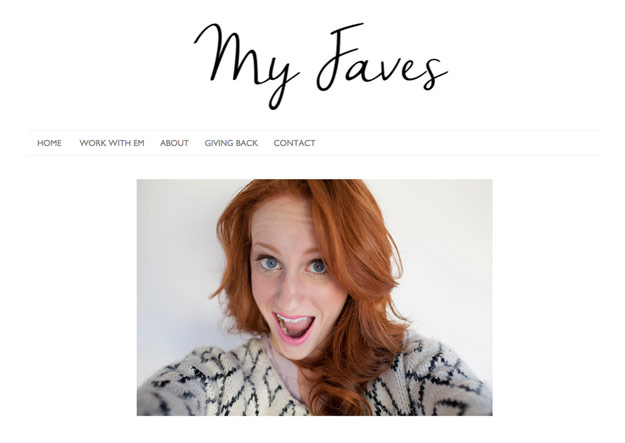
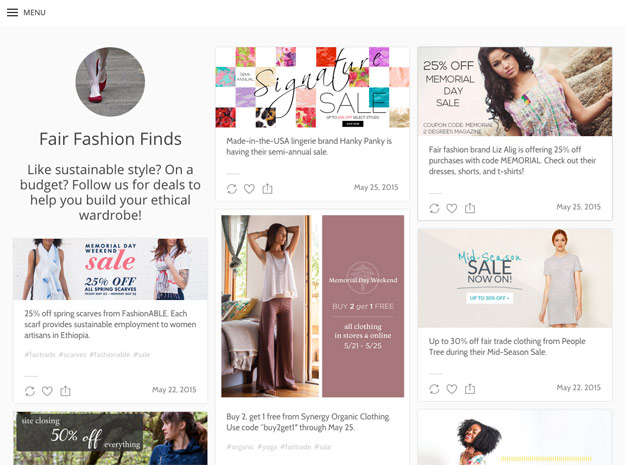
Fair Fashion Finds screenshot

Fair Fashion Finds

This Tumblr shares sales, discounts and deals from ethical shopping websites.

With the addition of these links, our Resources page is becoming a kind of mega Frankendirectory, which is pretty wicked if you ask me. If you have a favorite ethical shopping directory that isn’t listed, tell us about it and we’ll add it to the monster!

6 Myths About Buying Ethical Clothing

The post below was originally published by Leah on Style Wise. It may challenge some of your viewpoints about ethical shopping, but it’s ultimately meant to empower you. You have more options for making a difference than you might think!

6 Myths About Buying Ethical Clothing

Far and away the most common negative comment I get on ethical fashion articles I’ve written for other sites is some variation of:

“Good for you for having enough money to buy expensive clothes. Some of us can’t afford to buy a closet full of ethical clothing and it’s classist for you to even mention it. Have you no pity on poor people in your own country? And have you considered the fact that people in foreign countries will lose their jobs if we stop buying from sweatshops? Better to have a lousy job than no job at all.”

Some of them are considerably less harsh and some are too horrific to repeat here, but it’s clear to me that the biggest deterrence to acquiring an ethical wardrobe is money. So let me clarify a few things.

Firstly, I absolutely do care about the plight of the poor in my own country. It’s despicable that, despite our national wealth, more than 45 million people live below the poverty line. And we’ve got a few social safety nets, but we haven’t really figured out how to help people get a leg up long term, and it’s only getting worse. And it’s just a matter of fact that low cost, sweatshop-sourced clothing may be the best financial option for a lot of people. If you live paycheck to paycheck and have trouble putting clothes on your back and the backs of your children, please know that I not only feel for you, but I think you need to make the best choice for your family, even if that means making the ethics of your clothing choices less of a priority, or not a priority at all. You are welcome to this conversation, of course, but you may have other things to worry about.

But I also know for a fact that a lot of you can afford to consider your purchases. You’re the ones I’m talking to (and I get the sense that, by and large, you’re also the ones making the most excuses). Reality check: I manage a local thrift shop and my husband is a grad student. We aren’t exactly making it rain over here. But we do benefit a lot from the knowledge that, if something were to happen to us, our parents would be able to step in to support us. We have a social network that makes us feel secure and that helps us make long term financial decisions we couldn’t make if we were going it completely alone. We also don’t have children to support, so our income stretches a bit further.

I am aware of my relative privilege, but I suspect there are a lot of you in my position who don’t realize that it is possible to change your spending habits without breaking the bank. If you can overcome a few prevalent myths, you’ll be on your way to making better choices in no time.

Myth 1: It’s a given that I will buy at least a dozen new items every season.

For many of us, it would be a financial disaster to buy more than a handful of fair trade clothing items every 6 months. But, if you’ve already built a basic wardrobe, you don’t need to buy more than a couple new things a year. Magazines and 5 week trend cycles make us feel obligated to keep up with every new fad on the market, but it isn’t necessary or even fulfilling. You may have to buy less if you’re purchasing from more ethical brands, but that probably won’t hurt you in the long run. Plus, in my own experience, fair trade and domestically produced items from small brands hold up better than fast fashion items anyway, so you won’t need to replace your staples as often.

Myth 2: I can’t dress well with secondhand items.

My go-to advice for people considering their purchases for the first time is to start with thrift shopping. The sticker shock of fair trade and sustainable items will wear off eventually, but in the meantime, try secondhand on for size. A lot of people insist that they can’t get high quality items at thrift shops, but I suspect they don’t regularly visit them. The thrift market is booming and it’s surprisingly easy to find something you like that’s in great condition.

And yes, thrift shopping is a more ethical option, even if you’re buying conventional brands there. Why? Because you’re not contributing to demand for new items and you’re ensuring that things don’t end up in the landfill so quickly. Additionally, money spent at thrift shops supports local charities.

Myth 3: My specific circumstances (size, profession, location) prevent me from buying from ethical retailers.

I feel you on this one. The ethical market is still growing and it’s not always easy – or possible – to find things that fit well or suit your lifestyle. To you, I’d suggest a few options:

  1. Buy from online consignment stores like thredUP and Twice. You may be able to find a greater variety of sizes and styles from secondhand sites online.
  2. Search ebay’s pre-owned section for brands you like.
  3. Buy well. If you can’t find ethical or secondhand options, try to buy things that will last. You’ll save money over time and you won’t contribute as heavily to demand for sweatshop goods. I do this with shoes, because it’s difficult to find well-made, comfortable shoes on the ethical market (though there are a growing number of companies filling the void).

Continue reading on Style Wise >>

Style Swap: My Favorite Ethical Dress

Today I’m excited to be doing a style swap with Leah from Stylewise! We each styled our favorite ethical dresses. Check out Leah’s blog to see my outfit.

Leah in blue Mata Traders dress and brown sweater

My favorite ethical dress is the Postcard Dress by Mata Traders. I purchased it during an end-of-season sale early last fall, which meant it sat in my closet for about 5 months before I could wear it as a proper sundress. Since it was a bit cold and I planned to be outside, I wore a cropped sweater over it today.

Close-up of brown sweater and beaded pendant necklace

I’ve owned a few dresses by Mata Traders and I find that the fit is hit and miss, particularly if you’re small busted like me. I ran this one through the washer and dryer against recommendations to shrink it up a bit and it worked perfectly! They also have a knit cotton line this season, so I think I’ll have better luck with fit in the future.

Leah smiling in blue dress and brown sweater

I love the textured, linen feel of the fabric and the fact that it pairs with almost any color. I also like the 1930s farm girl aesthetic and the square neckline. It’s a simple piece with some standout details. Plus, it was made under fair trade guidelines by a women’s co-op in India, so I can look and feel great wearing it.

Now that I’ve spent all this time scrutinizing it, I want to stock up on more easy-to-wear dresses like this one!

Ethical Details:
Dress: Mata Traders
Sweater: American Apparel
Necklace: Greenola Style

Don’t forget to hit up Leah’s blog to see my favorite ethical dress and read her other excellent posts!